Launch price $19 ends in then Get it →
A field guide from the Earth Reborn channel

Every storm, your land loses its water. Plant the rain instead.

Twelve hand-built structures — rock dams, rain pits, gully fixes — drawn to scale, sourced, and sorted by what you can build without a permit.

Get the field guide · $19 →

65-page PDF + 8 printable field cards · Pay once · 7-day money back

Plant the Rain field guide cover Printable field card: One Rock Dam
The videos show you what one man did with rocks in Rajasthan. This guide shows you where to put the first one on your land — and what to ask before you do.
From the channel

None of them had a machine.

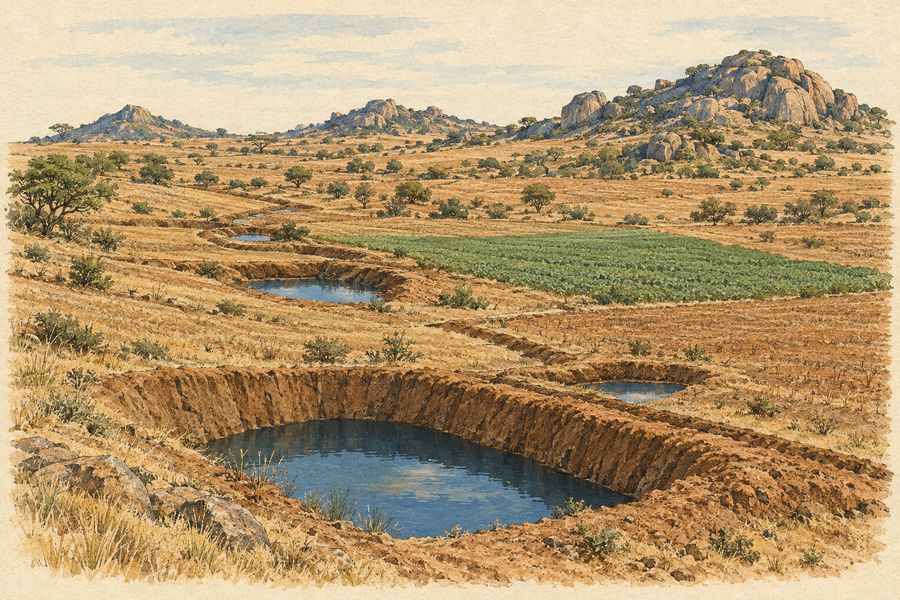
Illustration: contour trenches and water-holding pits on dry Zimbabwean farmland
A fired railway worker with a hoe.

Zimbabwe, 1960s. His neighbors called him the madman of Zvishavane — until his was one of the few green farms in the drought.
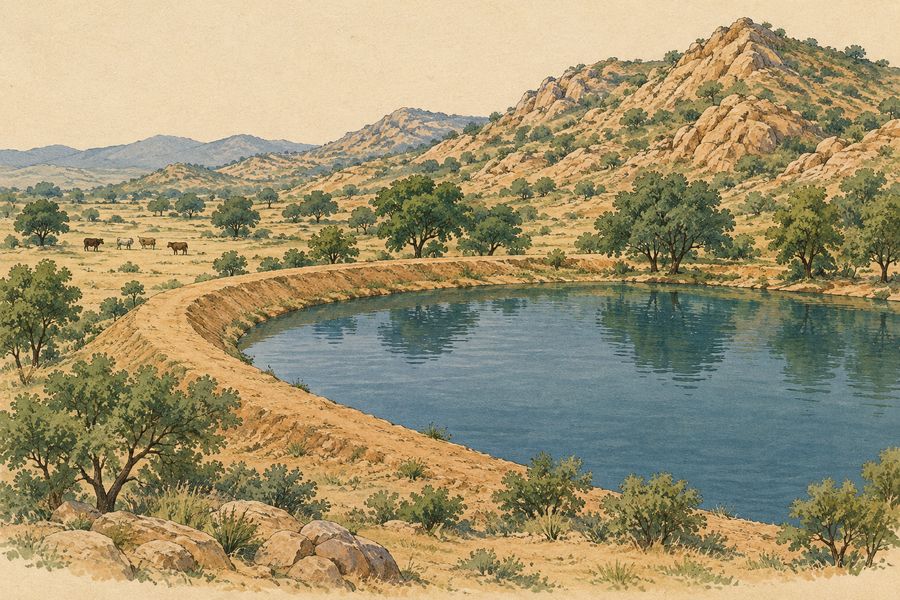
Illustration: an earthen johad holding monsoon rainwater in Rajasthan
A young man with a shovel.

Rajasthan, 1985. Thousands of small earthen dams later, the Arvari river flows again.
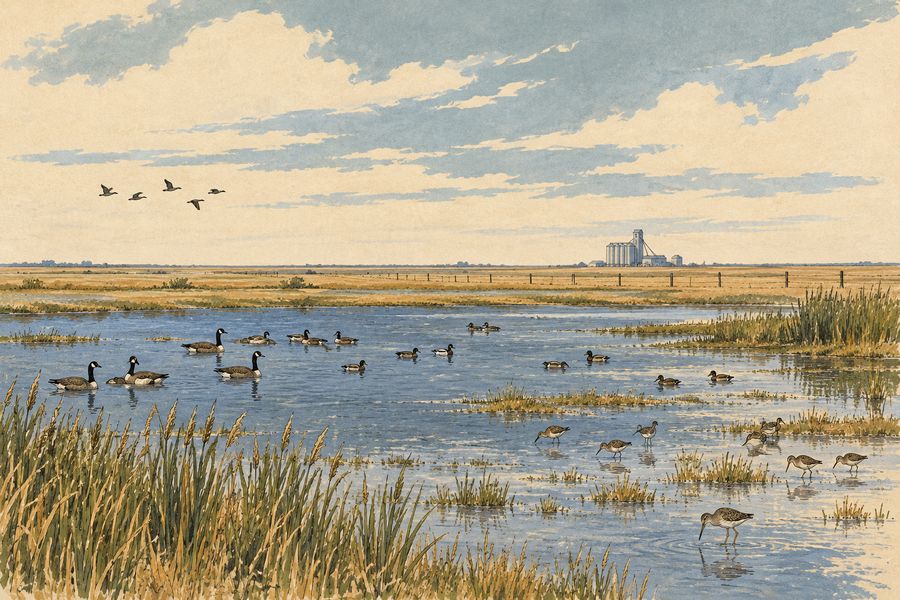
Illustration: a shallow seasonal wetland with waterfowl on Kansas farmland
A Kansas farmer who flooded his own dead fields.

Then he waited ten years to see what came back.

Most of what they did fits in a weekend. The hard part was knowing where.

Illustrations, not photographs.

What's inside

Twelve structures. One rule: slow the water down.

  1. 01Read Your Land Before You Lift a RockMap where the water goes in one afternoon — and the places you should never build.
  2. 02What You Can Build Without AskingIn-channel vs. upland, permits in plain English, and the three questions to ask.
  3. 03Plant the RainInfiltration pits and contour trenches, laid out with a homemade A-frame.
  4. 04The One Rock DamThe safest first structure. One rock high, on purpose.
  5. 05Rundowns, Zuni Bowls & Media LunasThree ways to stop a gully from eating its way uphill.
  6. 06Why Many Small Dams Beat One Big OneThe cascade principle, with a spacing table.
  7. 07Runoff Farming the Negev WayGrow a tree on land that gets almost no rain.
  8. 08Slow the HillsideWhat pre-Inca canals teach about storing water inside a slope.
  9. 09Let the Low Spots Hold WaterWhen a "wet spot" is the most valuable acre you own.
  10. 10Leaky Log DamsTake the edge off flash floods in a wooded draw.
  11. 11Beaver Dam AnalogsWhen they work, where — and the permit you'll need.
  12. 12Prove It's WorkingPhoto points, a rain gauge and a one-page water log.

Every chapter ends with one thing to do this weekend — and the published sources we checked it against.
Look inside

Rocks, a shovel, and a string line.

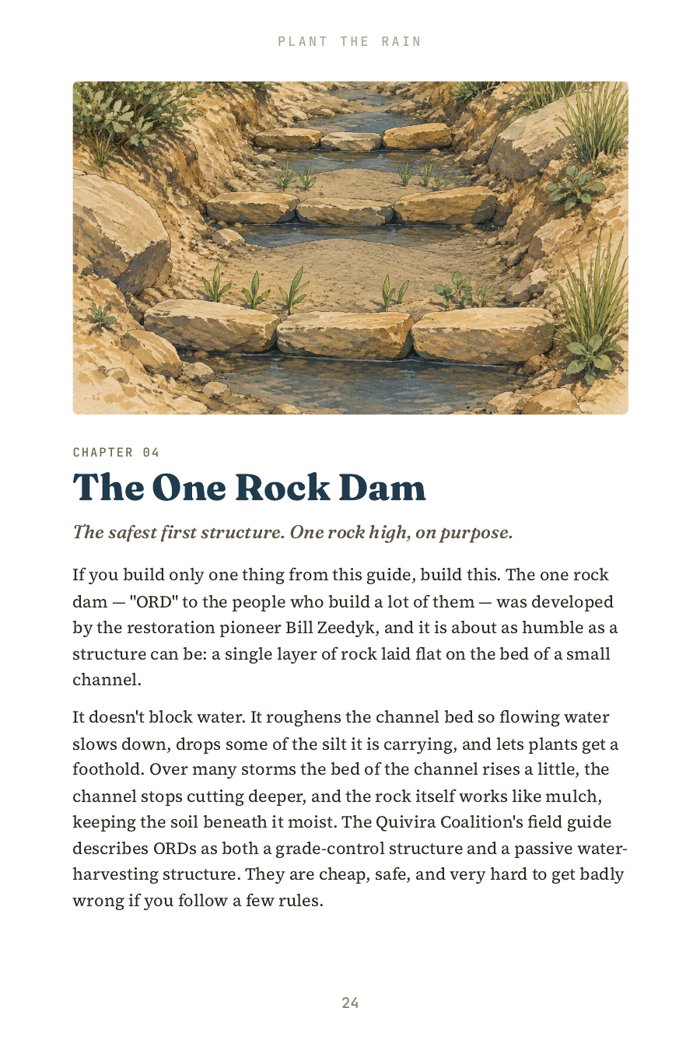
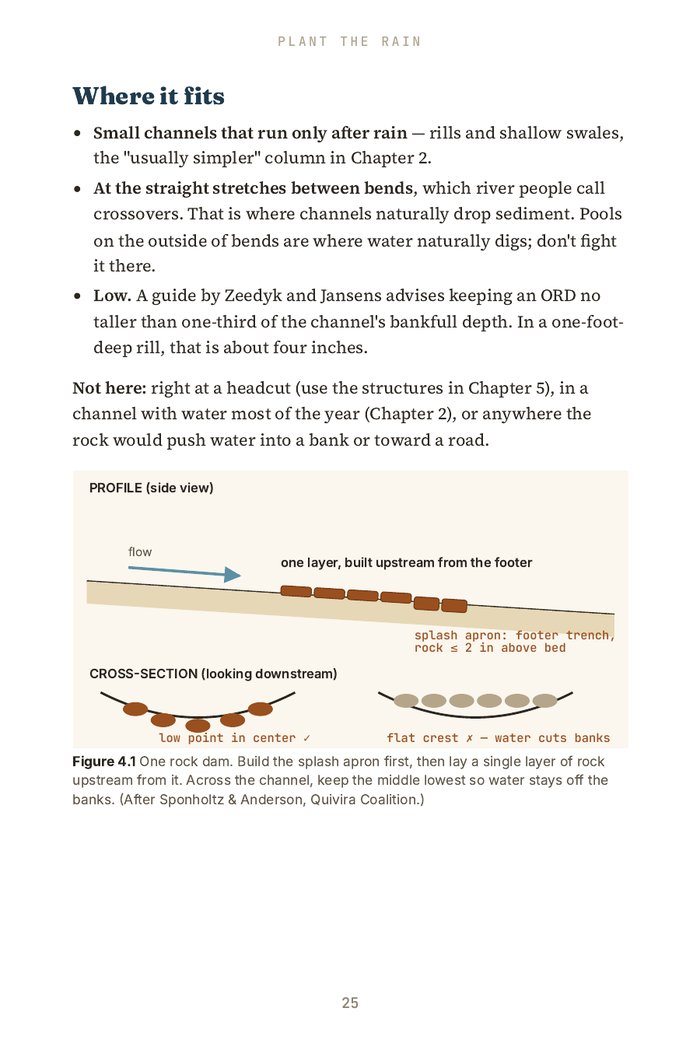
Book page: Chapter 4, The One Rock DamBook page: where a one rock dam fits, with a scale diagram

Pages 24–25: the One Rock Dam chapter, with its profile and cross-section diagram.

Printable field card for the One Rock Dam

Field card 1 of 8 — print it, take it to the gully.
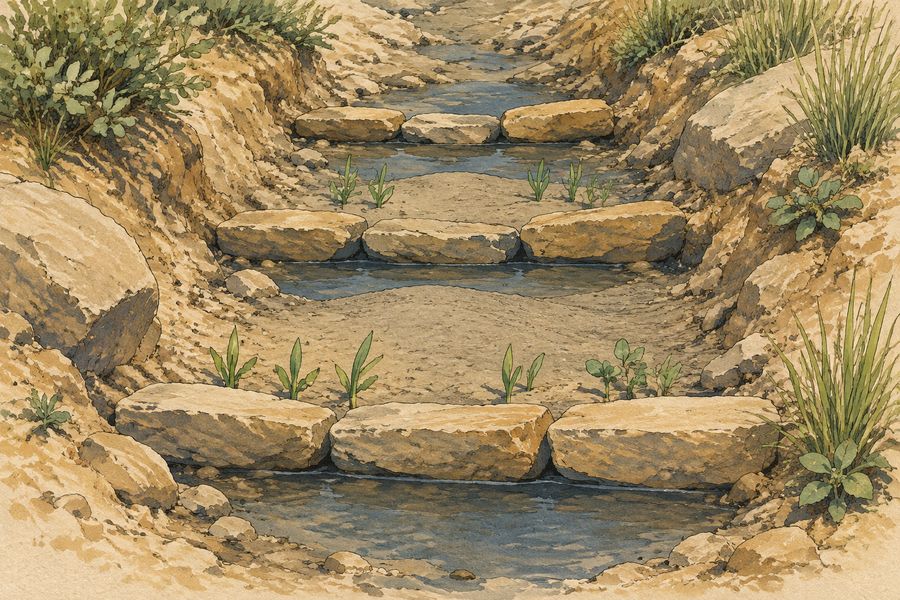
Illustration: one rock dams in a small channel
One Rock DamOne row of rocks across a rill. Catches silt; grass follows.
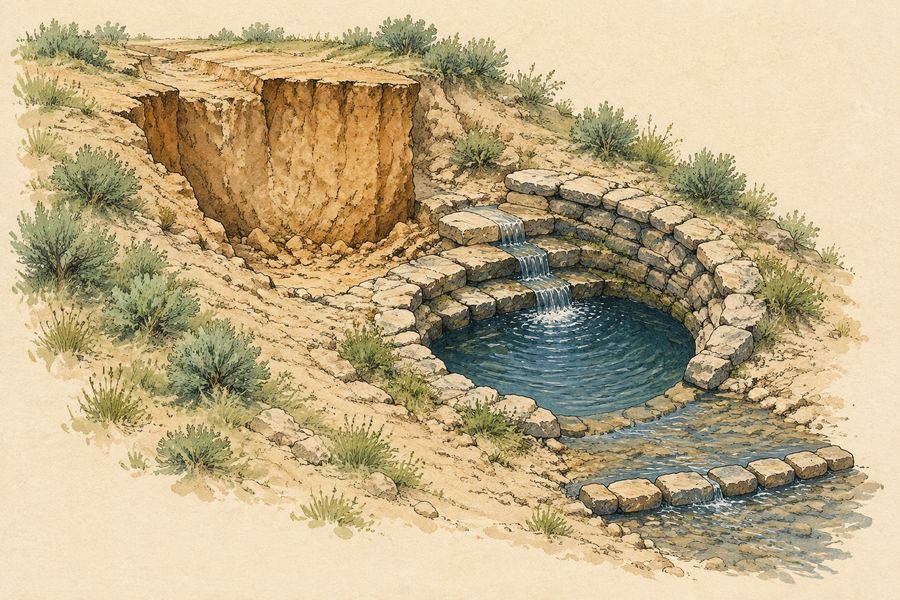
Illustration: a Zuni bowl at a gully headcut
Zuni BowlRock-lined steps that stop a headcut climbing.
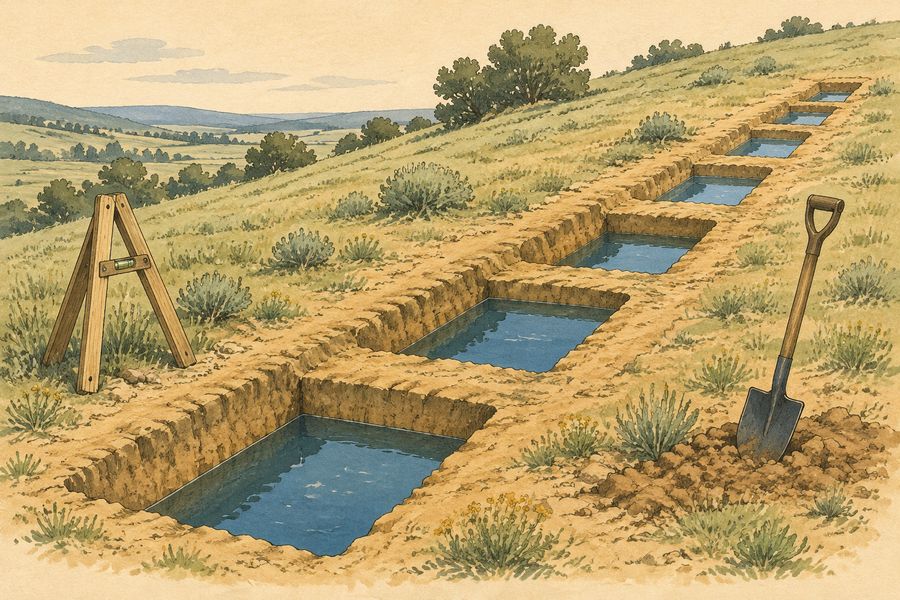
Illustration: a contour trench with water-holding pits
Infiltration PitsTurn a storm into stored soil moisture.
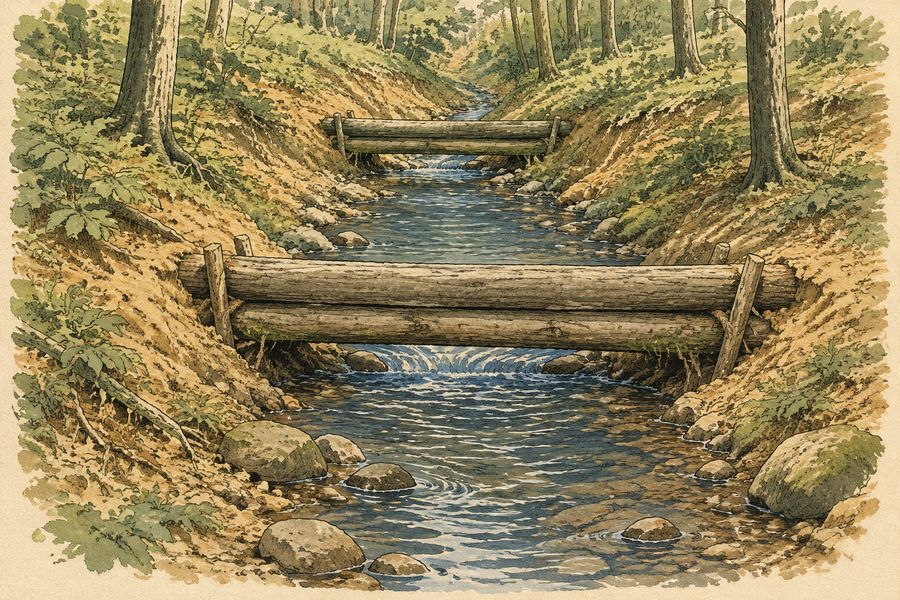
Illustration: a leaky log dam in a wooded draw
Leaky Log DamSlows a flash flood without stopping the stream.

After the next storm.

✕ Without a plan
✓ With the field guide
Rain hits hard ground and leaves your land in an hour.
Water slows, spreads, and soaks in where you want it.
The gully gets a little longer every storm.
The headcut stops climbing. Silt builds up behind the rocks.
You guess at rock size and spacing.
You carry a field card with the numbers on it.
You worry about breaking a rule you've never read.
You know what's simple to build — and what to ask first.

Results depend on rainfall, soil and slope. The guide tells you where these methods don't work, too.

What people write under our videos.

400,000+ views in our first month on YouTube.

@rickyweber2651 · 👍 7“As a born/raised Northwest Oklahoma farm boy/man and a waterfowl hunter this video was AWESOME!”

@Treecareproj“I've witnessed the lagoons fill up after a heavy rains in northwest Kansas and the diversity of life that it brings is amazing”

@geoffreyswan7866“The incredible dedication of 1 man and the vision of what he saw as a alternative to what mainstream hydrologists considered impossible to do he proved them all wrong…”

Real comments left on our YouTube videos, quoted as written. Long ones are shortened where you see “…”.

What this guide won't do.

  • It won't teach you to dam a creek that runs year-round. That needs permits, and Chapter 2 explains why.
  • It won't promise rain. These methods help you keep the water that falls.
  • It won't pretend every method works everywhere. Each chapter says where it fails.
Who made this

Made by the team behind Earth Reborn.

We make long documentaries about people who brought water back to dead land — in India, Zimbabwe, Peru, Kansas. The question we get most is “How would I do this on my place?”

This guide is our answer: the methods from those stories, cut down to what one person can build, and checked against the published field manuals they came from — the Quivira Coalition's erosion control guides, Utah State University's low-tech restoration manual, and more. Every chapter lists its sources.

Throughout the guide, Cal walks through each structure on a sample 20-acre property in New Mexico.

Cal is a character we created with the help of AI to show each structure on a sample property. Cal's notes are worked examples, not reports of real results.

Illustration: Cal, an example character, looking over a dry arroyo

Everything in the field guide.

Plant the Rain — the 65-page guide, 12 chapters, every structure drawn to scale
8 Field Cards — one printable page per structure: sizes, spacing, the mistakes to avoid
Land-Reading Worksheet — map your water in one afternoon
Permit & Cost-Share Call Sheet — what to ask your county or NRCS office, word for word
Water Log — one line per storm, so you can see it working

$19

One payment · No subscription · Yours to keep

Get the field guide · $19 →

Secure checkout by Hotmart · Card · PayPal · Apple Pay

The Walk-Your-Land Guarantee — 7 days. Read it, print the field cards, and walk your land with the worksheet. If it isn't what you hoped for, email us within 7 days and every dollar comes back.

How it works.

  1. Pay once. No account, no password.
  2. Check your email. Hotmart sends your download link within minutes.
  3. Print the field cards. They're made to go in a truck, not on a shelf.
  4. Walk your land after the next rain. Start with Chapter 1.

Questions before you start.

Can't I find this online for free?

Some of it, yes — and we point you to the best free manuals at the back of the guide. They run to hundreds of pages and are written for professionals. This is the version for one person, one property and one weekend, with the numbers on printable cards.

Do I need a permit?

For small structures on dry rills on your own land, often not — but rules vary by state and county and are changing. Anything in a creek, a wetland or near a property line very likely needs one. Chapter 2 explains the difference and gives you the exact questions to ask.

I only have a few acres — or a big backyard. Is it for me?

Yes. Rain pits, contour trenches, media lunas and one rock dams work on small ground. Leave the larger structures for later.

Is it a paper book?

It's a 65-page PDF you can read on any phone, tablet or computer. The field cards and worksheets are letter-size pages designed to be printed.

Will you charge me again?

No. One payment, one time. Nothing monthly.

What if it's not for me?

Email us within 7 days for a full refund.

The next storm is already on its way.

Decide where the water goes.

Get the field guide · $19 →

Pay once · 7-day money back · Instant download